Why some renewable energy projects never reach the grid
Our renewable energy market is in a new stage. The number of MW announced, the pace of new developments and the volume of capital entering the market alone no longer tell the full story. We see investors becoming more selective, financing…
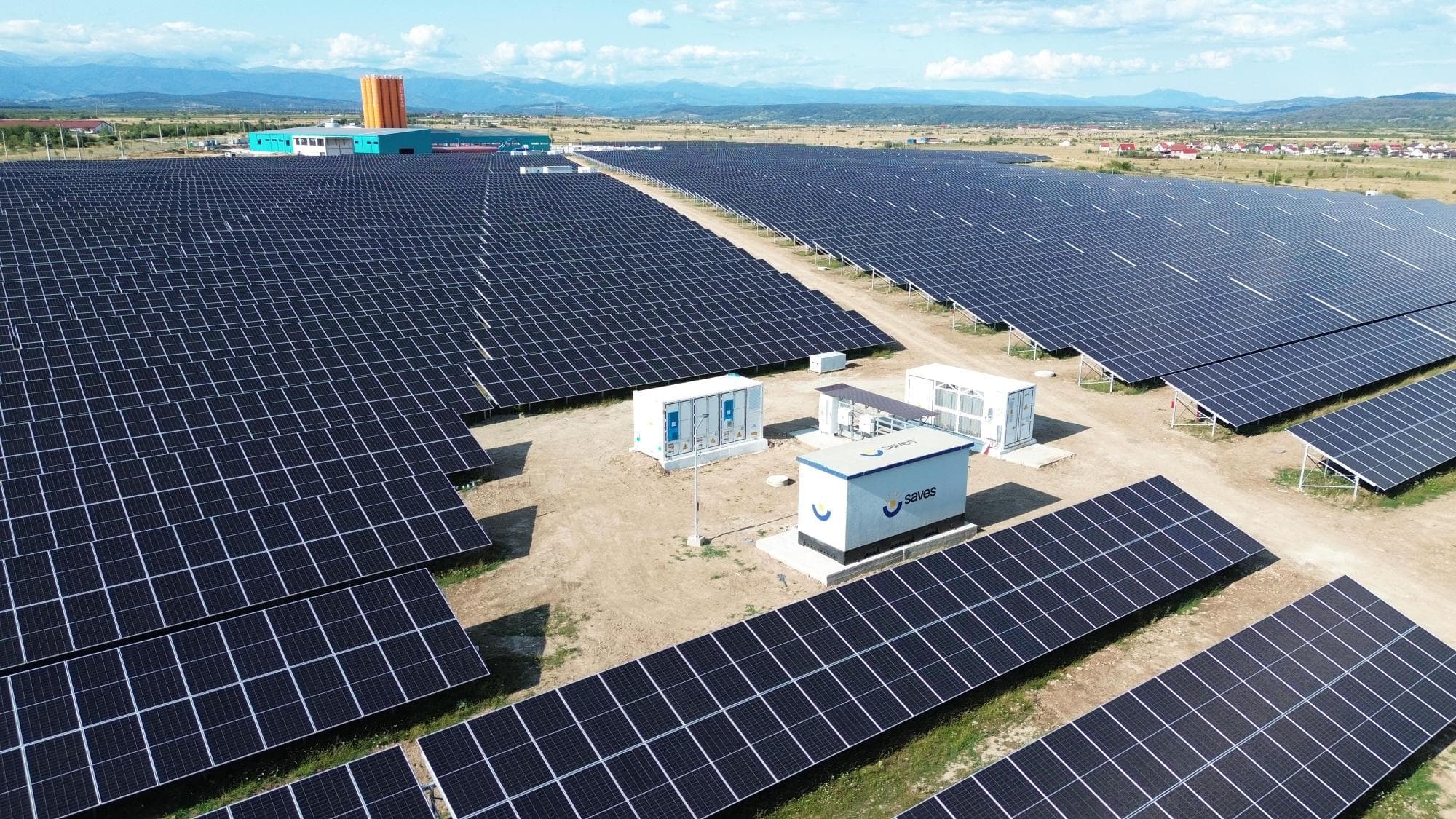
Our renewable energy market is in a new stage. The number of MW announced, the pace of new developments and the volume of capital entering the market alone no longer tell the full story. We see investors becoming more selective, financing criteria stricter, and the market increasingly rewarding companies capable of delivering operational assets rather than ambitious pipelines. This shift raises an important question: why do some renewable energy projects never reach the grid? The answer is more complex than permitting delays or technical challenges. In reality, projects don't fail because of a single obstacle. More often, they fail because the entire development process has not been designed with execution in mind.
Development is only the beginning One of the defining characteristics of the Romanian renewable energy market over the past few years has been the rapid increase in projects developed with the primary objective of being sold at Ready-to-Build (RTB) stage. This approach has helped to attract capital and accelerate market growth. However, it has also created a disconnect between project development and project delivery.
"Many projects are structured to reach an investment milestone, rather than to become long-term operational assets. Yet the most difficult part of any renewable energy project begins after development: obtaining the final permits, coordinating multiple stakeholders, securing grid access, managing construction and ultimately energizing the asset." said Răzvan Voineagu, Head of Grid Connection & Permitting, Enexus.
We see permitting as a process of coordination, not administration Permitting is often perceived as a sequence of approvals that simply need to be completed one after another. In fact, permitting is one of the most complex phases of project development because every approval influences the next. Technical requirements, environmental constraints, land regulations, grid studies and institutional procedures are closely interconnected. Successful projects are not built by collecting permits as quickly as possible. What is necessary is coordinating technical, legal and regulatory processes so that the project remains coherent from its earliest design stages through commissioning. For this you must have experts, permanent dialogue with authorities and understanding of how every decision will affect the project months or even years later.
Integration over generation Perhaps the biggest change taking place across Europe is that renewable energy is no longer limited by generation capacity alone. Today, storage and integration have become equally important. Global installed solar capacity has surpassed 3 TW. Across Europe, renewable energy now accounts for more than 26% (Eurostat, 2025) of final energy consumption, solar continues to expand at record levels, and negative electricity prices are becoming increasingly frequent in major markets such as Spain, Portugal, France and Greece. And
Free newsletters
Romania, in your inbox before your first coffee.
Get the Daily — the morning briefing, free, in English, unsubscribe anytime. Want business, real estate or travel digests too? Pick your newsletters →