Everest Base Camp Trek Cost Breakdown
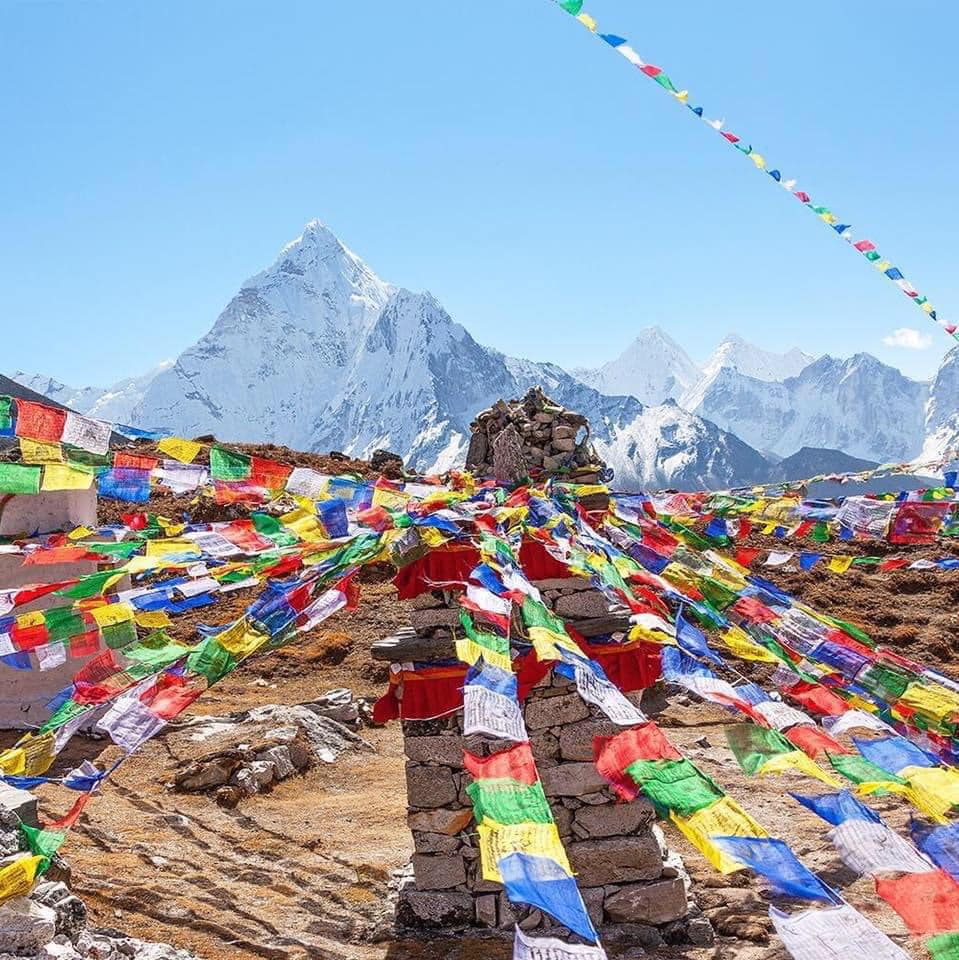
Standing at the foot of the world’s highest mountain is a dream for trekkers worldwide. But planning the journey isn’t just about fitness or gear—it’s also about budgeting wisely. The Everest Base Camp trek cost can vary greatly, and…
Standing at the foot of the world’s highest mountain is a dream for trekkers worldwide. But planning the journey isn’t just about fitness or gear—it’s also about budgeting wisely. The Everest Base Camp trek cost can vary greatly, and without clear guidance, travelers often face unexpected expenses that disrupt their plans.
Whether you’re a budget backpacker, a mid-range adventurer, or aiming for luxury, knowing exactly where your money goes is crucial. Flights to Lukla, trekking permits, guides, food, accommodation, and extras like Wi-Fi or charging devices can quickly add up. Many guides online leave out these important details.
This article gives you a complete Everest Base Camp trek cost breakdown for 2025, so you can plan with confidence. You’ll see where to spend for comfort, where to save without compromising your experience, and how to avoid hidden costs. By the end, you’ll have a clear, practical budget tailored to your trekking style.
How Much Does the Everest Base Camp Trek Cost in 2025?
The Everest Base Camp trek cost in 2025 typically ranges from $1,200 to $4,500, depending on your style. Budget trekkers can spend less by staying in basic tea houses and avoiding extra services. Mid-range trekkers may opt for guided packages with comfortable lodging. Luxury packages can include helicopter returns and premium accommodations, raising the price considerably.
What Factors Affect the Everest Base Camp Trek Price?
Trekking Season and Cost Variations
High season (spring and autumn) sees higher prices due to demand, better weather, and fuller lodges. Low season offers discounts and quieter trails, but comes with potential weather challenges like heavy snow or rain. Shoulder seasons may provide a good balance of moderate costs and manageable conditions.
Trekking Style – Independent, Guide & Porter, or Package Tour
Independent trekking is cheapest but requires self-navigation, detailed planning, and carrying your own gear. Guided tours offer convenience, safety, and valuable local insight, while porters ease the physical load. Package tours often include permits, meals, and accommodation, sometimes bundled with airport transfers and city tours, making them more hassle-free but pricier.
Free newsletters
Romania, in your inbox before your first coffee.
Get the Daily — the morning briefing, free, in English, unsubscribe anytime. Want business, real estate or travel digests too? Pick your newsletters →