Protecting Romania’s pristine nature on the path to most important eco-tourism destination in Europe
With its luxurious virgin forests and enormously rich in biodiversity, Romania has a huge potential to become the most important eco-tourism destination on the continent. But the country’s biggest mistake is trying to copy what other…
With its luxurious virgin forests and enormously rich in biodiversity, Romania has a huge potential to become the most important eco-tourism destination on the continent. But the country’s biggest mistake is trying to copy what other countries do without realizing its own strengths, which is, amongst others, the incredible nature the country hosts, according to two foreign wildlife biologists.
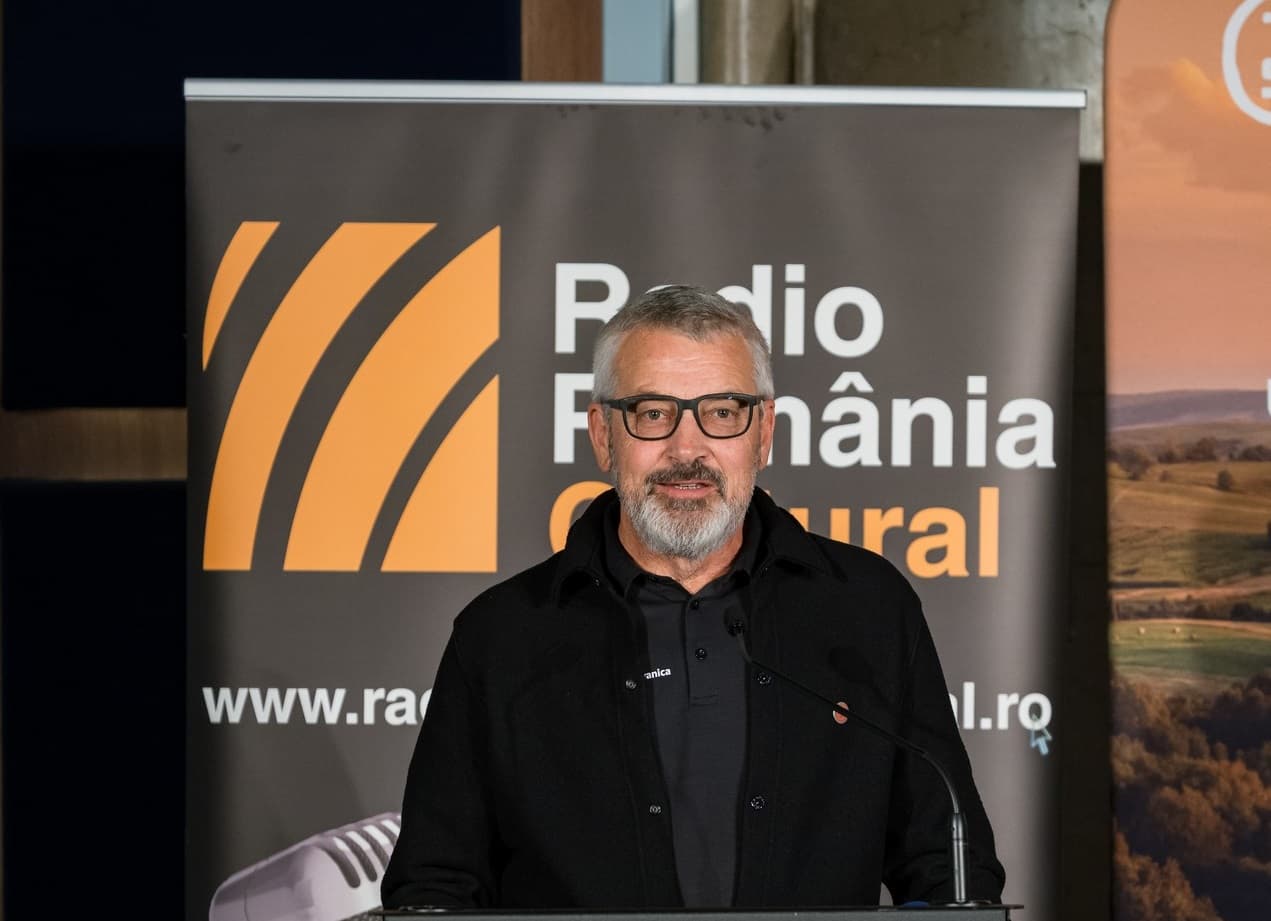
An Austrian and a Bavarian wildlife biologist who came to Romania in the 90s and who chose to stay and work on nature conservation in Romania still consider it the most beautiful country in Europe. Ever since arriving, they were both completely mesmerized by the natural splendors of what they see as one of the wildest in Europe in terms of flora and fauna.
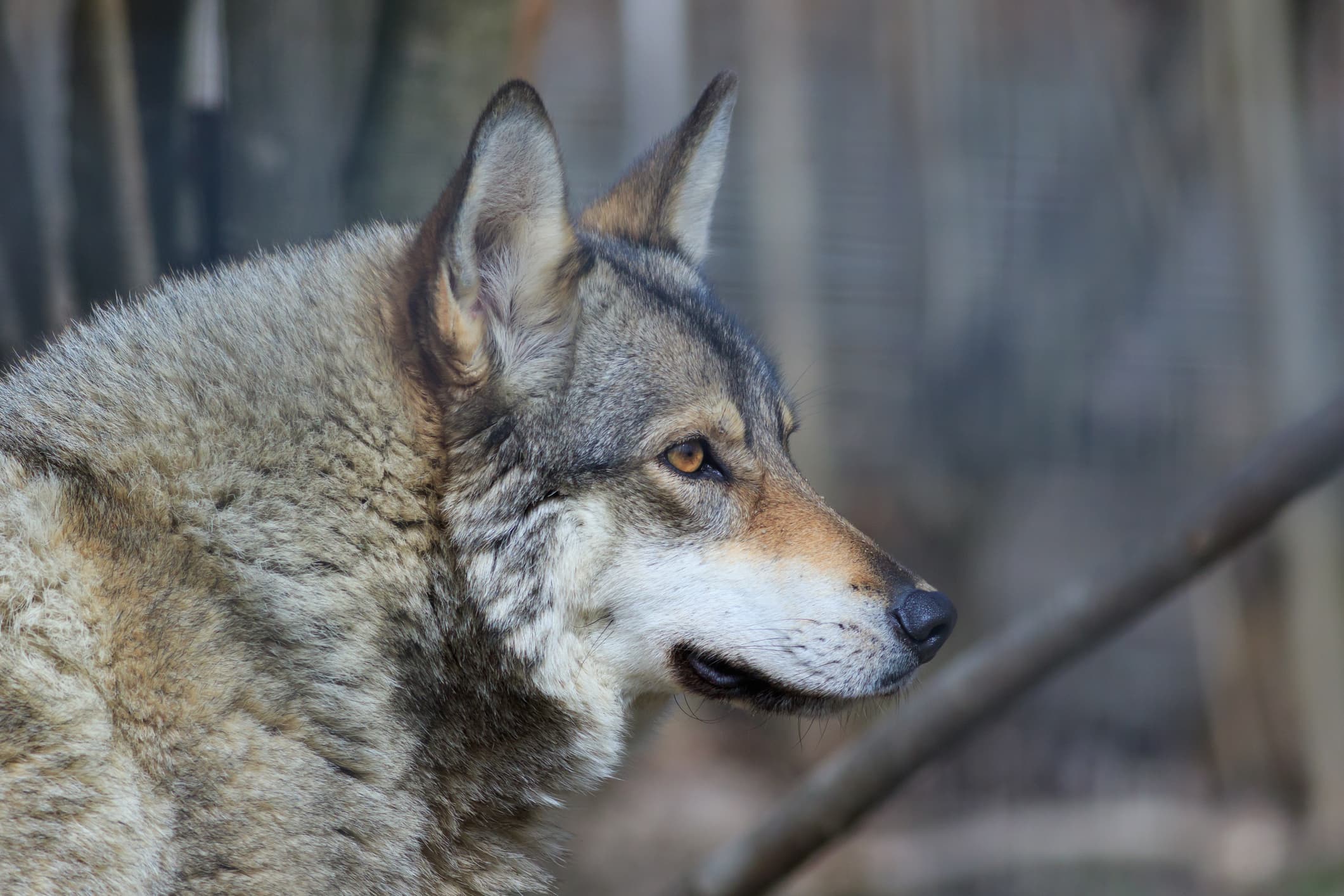
Barbara and Christoph Promberger came to Romania to study wolves, but found a way of life. Both, independently from each other, chose Romania for being home to Europe’s largest wolf population.
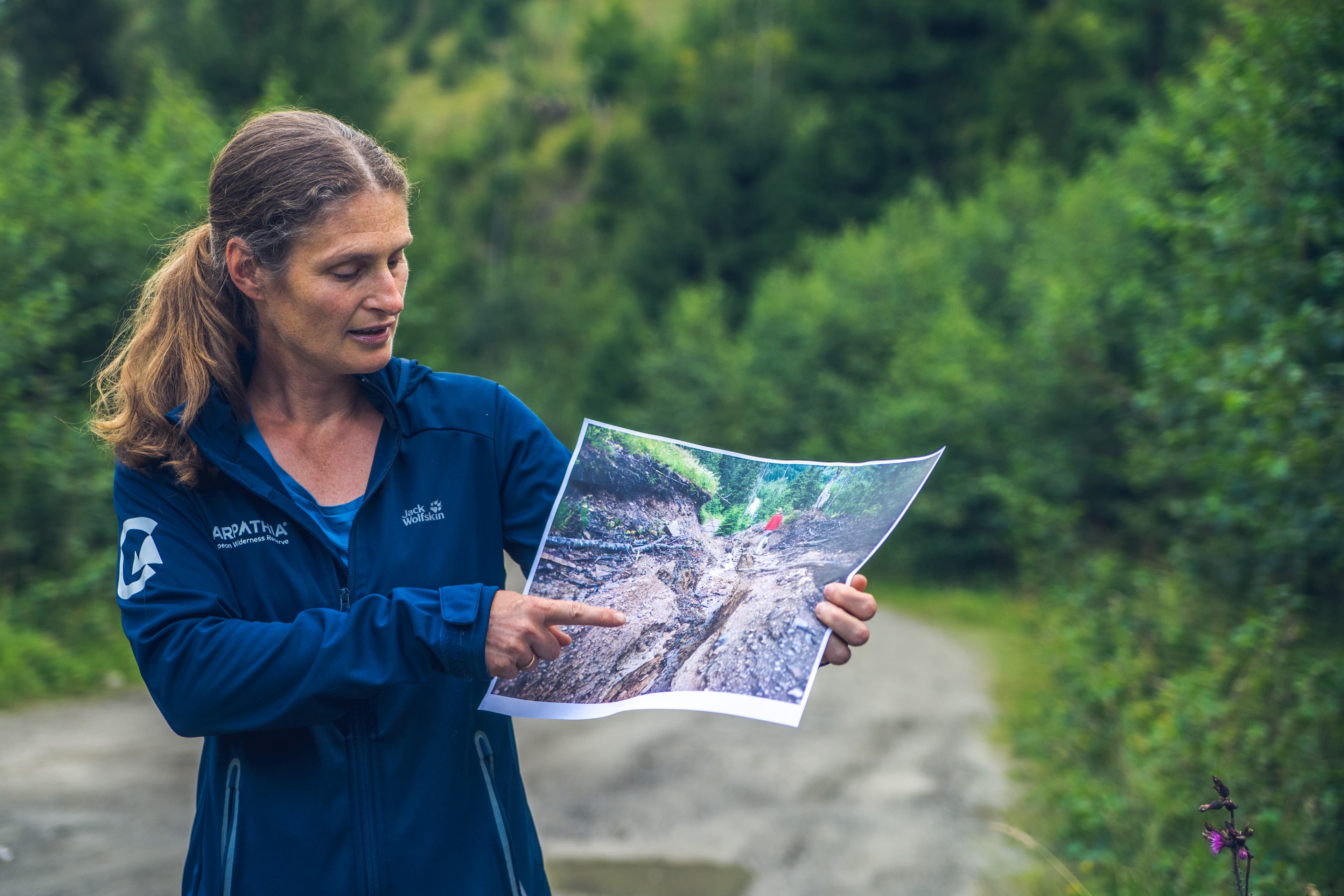
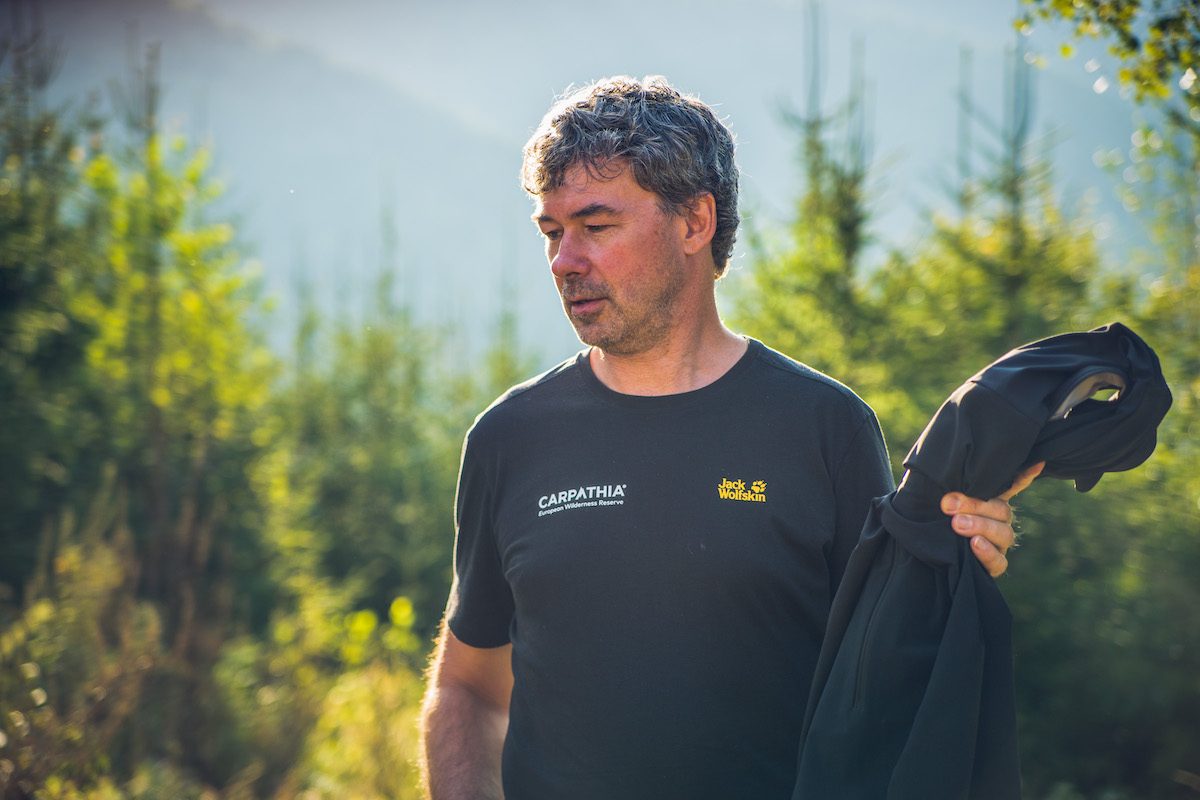
Barbara (pictured above) was born and raised in Austria, while Christoph in south-eastern Germany. Christoph visited Romania first in 1992, while Barbara arrived first time in Romania 3 years later.
After studying wolves, bears, and lynx for 10 years, they built themselves a home in Șinca Nouă, a small village in Brașov County, and developed a family there. The proximity of the mountains and its forest and wildlife allowed them the quality of life they were dreaming of.
At the same time, it opened their eyes to the abusive and unhealthy practices of dealing with nature in many parts of Romania. Since 2005, forest clearing has spread like wildfire and old-growth forests have disappeared in the blink of an eye. But Barbara and Christoph Promberger (pictured below) decided they were not willing to let go of their dream: they scaled it up from a personal project into a daring mission of saving the Făgăraș Mountains and developing them into the most important National Park on the continent. This is how Foundation Conservation Carpathia (FCC) started ten years ago, and from then on, little by little, a European and even global network of conservationists developed out of this small initiative.
Free newsletters
Romania, in your inbox before your first coffee.
Get the Daily — the morning briefing, free, in English, unsubscribe anytime. Want business, real estate or travel digests too? Pick your newsletters →