Lacul Morii Island in Bucharest's District 6 reopens after modernization works
The area offers several options for recreational and water sports activities.
Simona Fodor · Journalist
· 3 min read
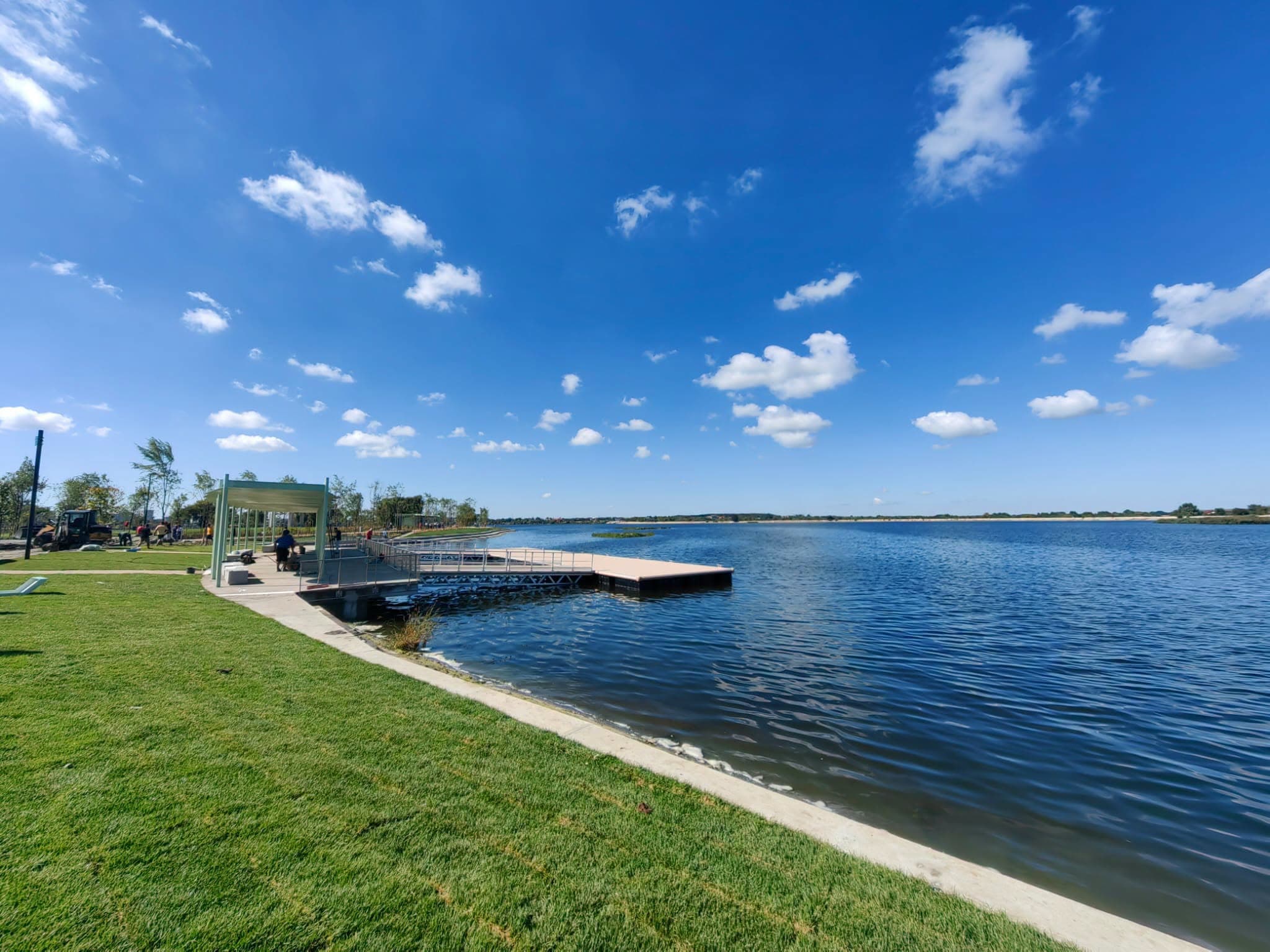
Lacul Morii Island, located in Bucharest's District 6, has reopened to the public following the completion of modernization works.
The works cost approximately RON 32 million (approximately EUR 6.09 million), excluding VAT, of which around RON 20 million came from EU funds. The project turns an area that had been derelict for years into a place offering upgraded sports facilities and areas for leisure activities.
Covering approximately 3.4 hectares, including 2.3 hectares of green infrastructure, the island marks the first stage of a larger urban regeneration project for the Lacul Morii area, the District 6 City Hall explained.
“The new Island is, in fact, an old island that we have extensively rehabilitated over the past four years. We started with a project, a dream that Ciprian Ciucu [e.n. now Bucharest’s mayor general] and I shared in 2020. There were two strategic projects for District 6. At the time, we were discussing Liniei Park and, above all, Lacul Morii. We are already nearing the completion of the entire Liniei Park project, with only a little left to do before we wrap it up. Now, we are marking another very important moment with this opening of Lacul Morii Island,” Paul Moldovan, the acting mayor of District 6, said, quoted by TVRInfo.ro.
Following the works, the island had been designed in a distinctive, as-natural-as-possible manner, with less concrete and no asphalt, the mayor explained.
“We wanted it to be natural, welcoming, and peaceful. We wanted to encourage, for example, the use of the water area, so we have also installed floating pontoons where visitors will be able to practice water sports. Initially, these activities will be self-managed, using their own equipment and subject to safety requirements. Later, we may establish partnerships, and we have already taken the first steps towards working with organizations that are much more experienced than a local authority in managing these types of activities,” the mayor said.
We wanted to encourage the use of the water area, so we have also installed floating pontoons for water sports.
The island is meant to work as a refuge for local flora and fauna through the restoration of natural habitats and improved ecological connectivity. The vegetation will be diversified and arranged across several height levels, with more than 400 trees and shrubs, alongside plants that will contribute to the development of a varied natural landscape.
Visitors have access to paths running around the island, as well as routes descending close to the water level, seating areas overlooking the lake, and shaded areas.
The facilities include a green-space beach, a decorative fountain, information panels, and telescopes and binoculars for birdwatching. The island will also cater to families, with two playgrounds designed for different age groups.
To improve safety, two monitoring/lifeguard stations are also planned, while the existing gazebo will be rebuilt and modernized.
Furthermore, five pontoons can accommodate recreational and water sports activities, including kayaking, stand-up paddleboarding, windsurfing, and other recreational water activities.
A large meadow will be created in the center of the island for events. Designed as a flexible space, it will be able to host cultural and artistic events as well as activities for the local community. These may include concerts, outdoor exhibitions, community events, cultural activities, and recreational and educational programs.
Facebook postOpen on Facebook
Architect Ștefan Bâlici, the president of the Romanian Order of Architects (OAR), spoke of “a moment that makes us look with greater hope at public commissions for architecture, at the quality of our living environment, in all cities and throughout the spaces we inhabit in this country.”
“For us, the Romanian Order of Architects, design competitions for awarding commissions for architectural design and design in all specializations (...) are an extraordinarily important tool because they lead to quality solutions, starting with the interest they generate among professionals. As the mayor mentioned, this competition attracted considerable interest from design teams. The judging is based on quality, carried out by a jury made up of professionals and representatives of the contracting authority, and ultimately, the result is of high quality,” Bâlici explained.