(P) Ever wonder what to expect during your technical interview at CrowdStrike?
Interviewing for a new job can be overwhelming. But when you know what your interviewer is looking for, what to expect and how to prepare, you can set yourself up for success. We talked to Cosmin Bratu (in opening picture), Engineering…
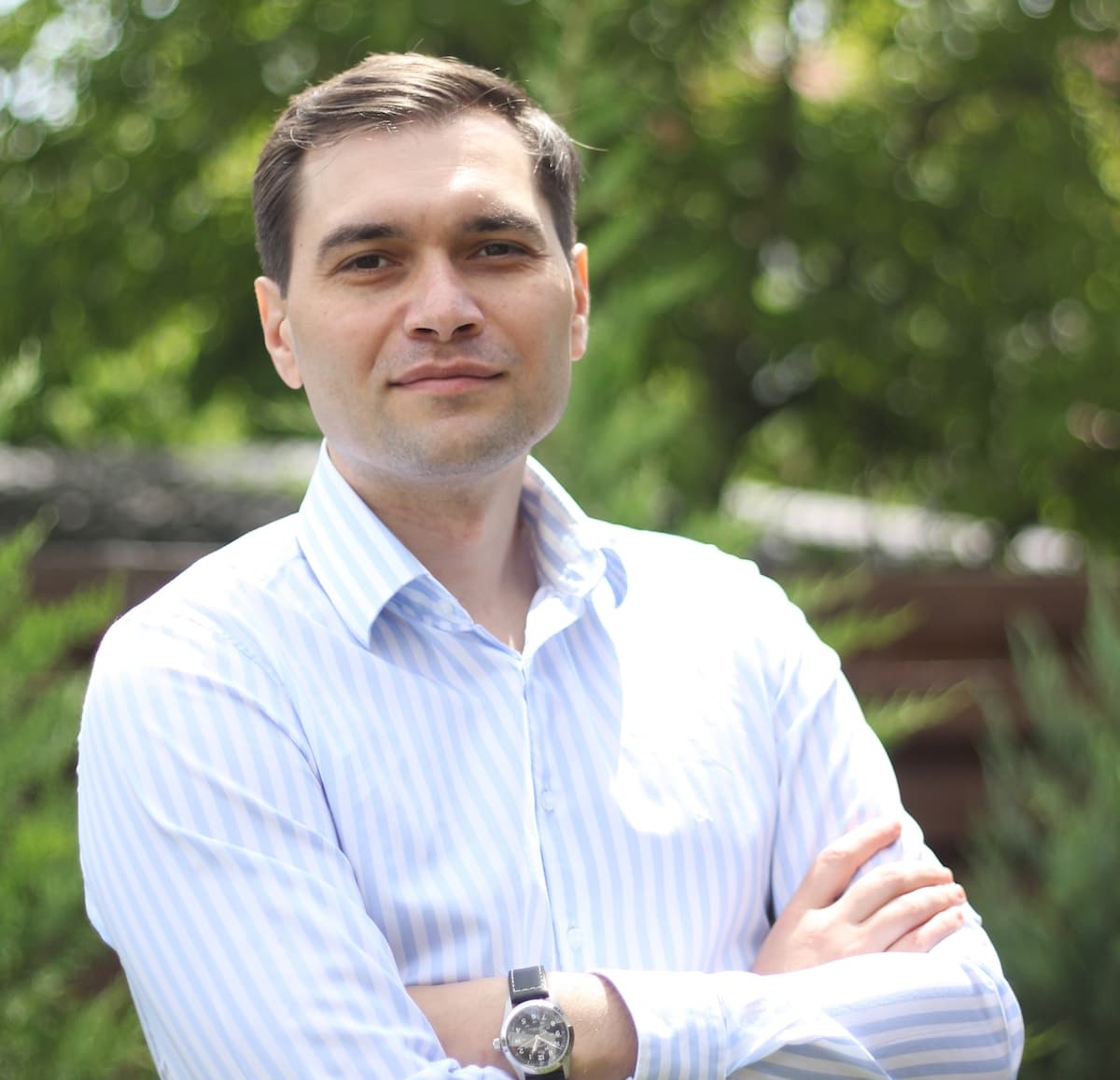
Interviewing for a new job can be overwhelming. But when you know what your interviewer is looking for, what to expect and how to prepare, you can set yourself up for success. We talked to Cosmin Bratu (in opening picture), Engineering Manager for CrowdStrike, Romania, to understand the company’s technical interview process and our engineering team’s hiring principles.
Can you give us an overview of CrowdStrike’s interview process for engineers and other technical hires?
While our technical interviews can look different based on the team you’re joining, we generally run a three-part interview process. It starts with an initial conversation to ensure the role is a fit both ways. Then comes three technical assessments. Finally, we have an HR interview focused on values and interpersonal skills.
Our process is intentionally robust because we know candidates are interviewing us as much as we’re interviewing them. We allow enough time in the process for them to understand CrowdStrike as a company, as well as for us to assess their willingness to grow and ability to adapt. Continuous change is a way of life at CrowdStrike so it’s important that we hire candidates who demonstrate curiosity, ambition, teamwork, and adaptability.
So tell us about the first phase. What does that entail?
The initial interview is intended to confirm high-level suitability for the role. It's an open-ended, somewhat casual conversation between the hiring manager and the candidate. The interviewer explores the candidate’s professional experience and motivations and sets expectations about the job, our employee experience, and company values. The role specifications, the team structure, the product, and the problem it solves are central to this discussion.
After that initial interview, what happens next?
The next step is the technical assessment which consists of three interviews:
The data structures and algorithms interview happens in two parts. The first focuses on fundamental theoretical computers science concepts such as operating systems, data structures, concurrency, parallelism and similar topics. The second focuses on coding challenges with one or two moderately complex algorithm-based questions. The objective of this phase is to understand the candidate’s baseline knowledge of computer science.
The systems design interview focuses on large-scale problem-solving skills. In this phase, we focus on the candidate's technical experience, particularly with the design of large-scale distributed systems. We want to know the candidate's thought process and how they make design process trade-offs. We ask open-ended, practical questions that mimic the real-world problems that our engineers must solve on a daily basis. We also pay close attention to how well they explain themselves since communication skills are equally important to success.
Free newsletters
Romania, in your inbox before your first coffee.
Get the Daily — the morning briefing, free, in English, unsubscribe anytime. Want business, real estate or travel digests too? Pick your newsletters →