Bitcoin’s history with institutional investors (press release)
2017 saw a huge boom in the bitcoin market, but a subsequent crash in 2018 caused many to come to come to the conclusion that it was just a passing trend. The main culprits were identified as Bitcoin whales, individuals or entities that…
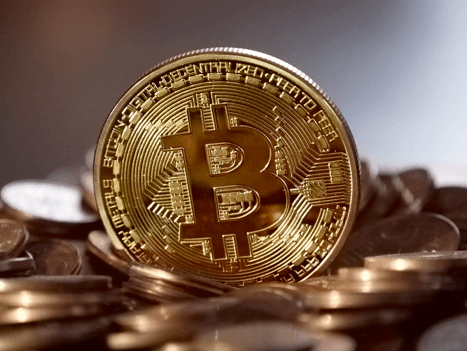
2017 saw a huge boom in the bitcoin market, but a subsequent crash in 2018 caused many to come to come to the conclusion that it was just a passing trend. The main culprits were identified as Bitcoin whales, individuals or entities that “hold” large bitcoin sums. Just by moving around their assets, they brought in huge waves of volatility in the currency’s value.
Currently, Bitcoin seems to be stuck at the $60,000 resistance band. As a result, many fear that the famed digital currency might be in a bubble that may soon pop. But, things are very much different this time around, and predictions may point to the otherwise. What makes this Bull Run different is the added interest of institutional investors. Here we explore the reasons that may have led to the currency getting recognition amongst institutional investors and why it changed. For more information, you can visit YuanPay Group and start investing in bitcoins.
Who are Institutional Investors?
Simply put, an institutional investor is a body that deals with investing their partners’ money. Mutual funds, hedge funds, pensions, banks, and trusts are just some examples. Unlike retail investors, they have a plethora of resources at their disposal that allow them to make predictions in stocks, bonds, securities, and other financial derivatives, for investing their capital pool. And now, they’ve started including Bitcoin in their portfolio. Here’s why.
Pandemic
Perhaps the most significant reason for institutional investors’ interest in Bitcoin is the pandemic. It came out of nowhere and caused a complete meltdown in numerous financial markets. Bitcoin, on the other hand, remained largely unscathed. In fact, it drew in more interest as a way to hedge against the pandemic, given the value it has gained.
Minimal Interference
Even before the pandemic, investors were interested in Bitcoin as an asset class, but volatility and security concerns still remained. One of Bitcoin’s most appealing factors is its decentralized nature. That is to say, it has no central governing body that controls its circulation and value, like those with fiat currencies.
It exists in the digital sphere, untouched by government interference; hence users can do as they please with their purchased Bitcoins. Additionally, the way its transactions are processed and recorded allows traders to remain anonymous. Initially, it was thought that trading in digital currency would be outlawed, and many governments did indeed outright ban it to prevent their currencies from devaluing. However, free markets, like the United States, haven’t placed many restrictions on its use, enabling many to join the bandwagon.
Free newsletters
Romania, in your inbox before your first coffee.
Get the Daily — the morning briefing, free, in English, unsubscribe anytime. Want business, real estate or travel digests too? Pick your newsletters →