A Historical Betrayal: Why Moldova Must Choose Europe Over Russia
In 1812, following the Treaty of Bucharest, the Russian Empire annexed the territory between the Prut and Dniester rivers, tearing it away from the Principality of Moldova. This marked the first brutal incision into Moldova’s historic…
Romania Insider · Journalist
· Updated · 4 min read
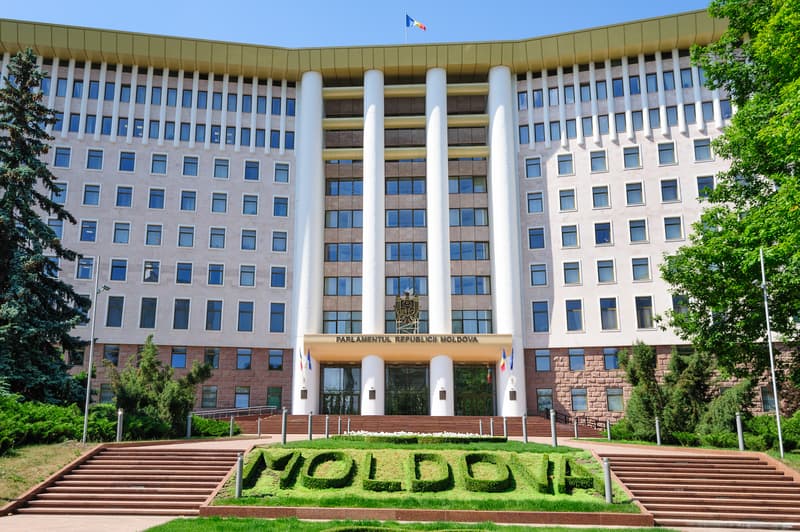
In 1812, following the Treaty of Bucharest, the Russian Empire annexed the territory between the Prut and Dniester rivers, tearing it away from the Principality of Moldova. This marked the first brutal incision into Moldova’s historic lands and set the stage for a long-standing imperial policy aimed at erasing Moldova’s cultural ties with Romania.
by Simona Laiu
Russia strategically named this region "Bessarabia," a title once used only for the southern part of Moldova, now extended to the entire annexed territory. The goal was clear: to fabricate a distinct regional identity and obscure Moldova’s historical connection to the rest of Romania.
Over the next century, Russian authorities embarked on an aggressive russification campaign, bringing in settlers from Russia, Ukraine, Bulgaria, and Germany to shift the ethnic balance. The Romanian language was marginalized, and Moldovan culture was systematically suppressed. This relentless strategy of assimilation persisted until the Bolshevik Revolution in 1917, when the chaos that engulfed Russia allowed Moldova to declare its union with Romania in 1918. This brief period of freedom, however, was never recognized by Moscow.
In 1939, the Nazi-Soviet Pact (Ribbentrop-Molotov) sealed Moldova’s fate once again. The secret protocol between Hitler and Stalin divided Eastern Europe into spheres of influence, and Bessarabia was claimed by the Soviet Union. In June 1940, under Soviet ultimatum and military threat, Romania was forced to cede the territory. Thus began the reoccupation of Moldova by Soviet forces, and with it, the horrors of Stalin’s regime. Soviet Brutality: Deportations, Hunger, and Ethnic Replacements The Soviet reoccupation of Bessarabia in 1940 was followed by a wave of terror. Stalin’s government launched a brutal campaign of repression aimed at purging "anti-Soviet elements" from the region.
Thousands of Moldovans, particularly intellectuals, landowners, and priests, were deported to Siberia and Kazakhstan. Those who remained were subject to harsh Soviet rule, which sought to obliterate Moldovan national consciousness through forced collectivization, suppression of the Romanian language, and an orchestrated cultural genocide. In 1941, the tides of World War II temporarily returned Bessarabia to Romanian control. However, this respite was short-lived. By 1944, as the Red Army advanced, the Soviet Union recaptured the region and reimposed its authoritarian grip. Once again, Moldova became a Soviet Socialist Republic, and Stalin’s policies resumed with a vengeance.
From 1946 to 1947, Moldova experienced one of the most devastating famines in its history, exacerbated by Soviet requisitions of foodstuffs for other parts of the USSR. This famine, coupled with a ruthless campaign of deportations, claimed the lives of over 200,000 people. Moldovan villages were depopulated as survivors fed or succumbed to starvation. To fill the void, Soviet authorities implemented a deliberate policy of ethnic replacement, importing large numbers of Russians and Ukrainians to the region. This was an intentional effort to dilute the Romanian ethnic majority and to ensure that Moldovans would remain under Moscow’s control, politically and culturally. Why Moldova Must Fear Putin’s Russia Today The echoes of Russia’s imperial ambitions are still felt today un-der the leadership of Vladimir Putin. Moldova remains vulnerable to Russian influence, especially with the presence of Russian-backed separatists in Transnistria, a breakaway region that Moscow uses as a foothold in Moldova.
Free newsletters
Romania, in your inbox before your first coffee.
Get the Daily — the morning briefing, free, in English, unsubscribe anytime. Want business, real estate or travel digests too? Pick your newsletters →