Analiza Every Can Counts: 3 doze din 4 sunt reciclate în România. Sistemul SGR trece într-o etapă de maturitate a economiei circulare.
RetuRO data analysed by Every Can Counts shows a strong alignment between collection, sorting and recycling, with the aluminium drink can emerging as a key indicator of circularity.
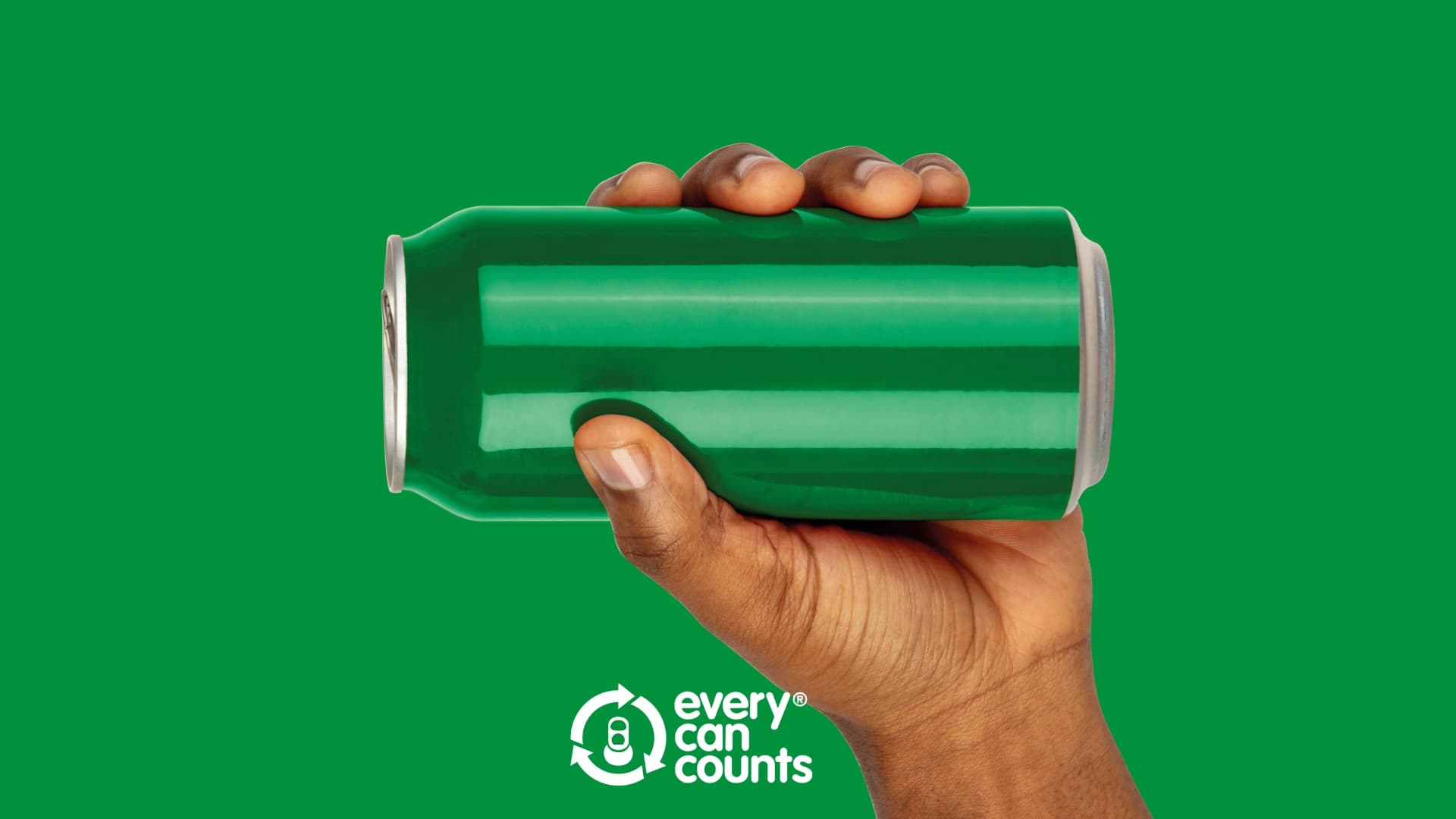
RetuRO data analysed by Every Can Counts shows a strong alignment between collection, sorting and recycling, with the aluminium drink can emerging as a key indicator of circularity.
Global Recycling Day, marked annually on March 18, highlights the role of recyclable materials and the people involved in recycling, often referred to as "Recycling Heroes". From consumers returning packaging to the collection and recycling systems that allow materials to re-enter the economy, every link contributes to the functioning of the circular economy. In Romania, the moment reflects a stage of maturity for this system: in 2025, 75% of the aluminium cans placed on the market were recycled, according to official RetuRO data analysed by Every Can Counts. The result, achieved in the second full calendar year of operation of the Deposit Return System DRS, indicates the system’s maturation and marks the transition from a phase dominated by collection to one characterized by functional industrial recycling with measurable economic impact. Romania’s progress, driven largely by the expansion of deposit return systems, reflects a broader European trend. According to the latest report published by Metal Packaging Europe and European Aluminium, the recycling rate for aluminium drink cans in Europe reached over 76% in 2023, the highest level recorded so far. The report shows that both the volumes of packaging placed on the market and the quantities recycled have increased year after year, while the recovered material generated estimated savings of 5.7 million tonnes of CO₂ equivalent, confirming aluminium’s role in the European circular economy. At national level, current data indicates an accelerated evolution and Romania’s rapid alignment with European trends, as collection infrastructure continues to expand and industrial recycling flows become more consolidated. Before the introduction of the Deposit Return System DRS, the recycling rate for aluminium cans in Romania stood at around 35%, significantly below the levels recorded in other European countries.
"In the circular economy, real performance indicators always appear with a certain time lag. European reports on packaging recycling are typically published around two years after the reference year, as the data must be validated through multiple industrial and institutional sources, including extended producer responsibility schemes, deposit return systems and statistical reporting to Eurostat. This process reflects the complexity of the circular value chain, where performance is measured across the entire journey of the material from return and sorting to recycling and the reintegration of aluminium into the production of new drink cans," said David Van Heuverswyn, Global Director Every Can Counts.
Circular economy still poorly understood: only 1 in 2 Romanians associates it with repeated recycling of the same material
Free newsletters
Romania, in your inbox before your first coffee.
Get the Daily — the morning briefing, free, in English, unsubscribe anytime. Want business, real estate or travel digests too? Pick your newsletters →