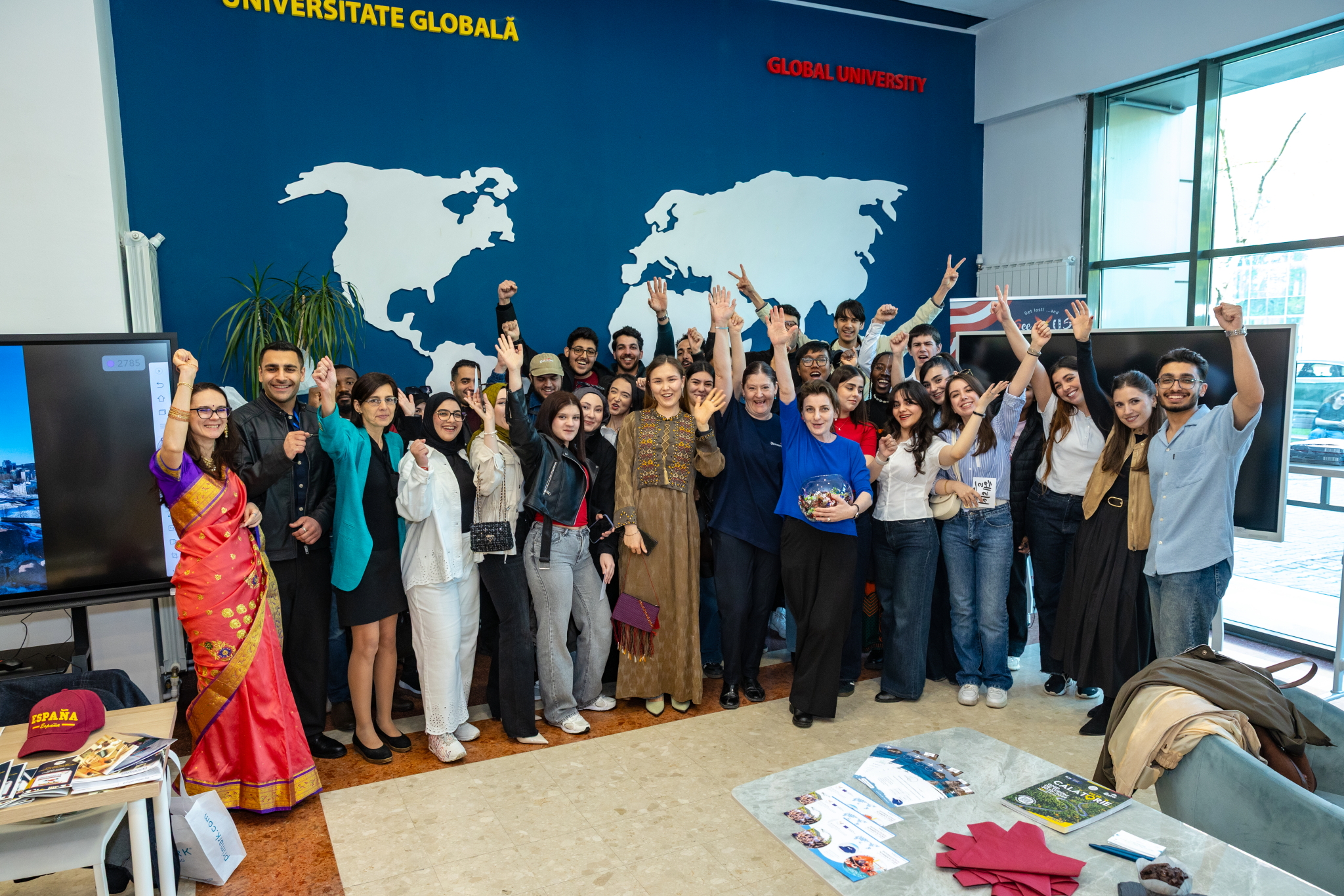
A global campus in the heart of Bucharest: Inside the Romanian-American University’s international community
On any given day at the Romanian-American University in Bucharest, the corridors offer a snapshot of an increasingly international academic community. Students from Europe, Asia, Africa and the Middle East meet in classrooms, work together…
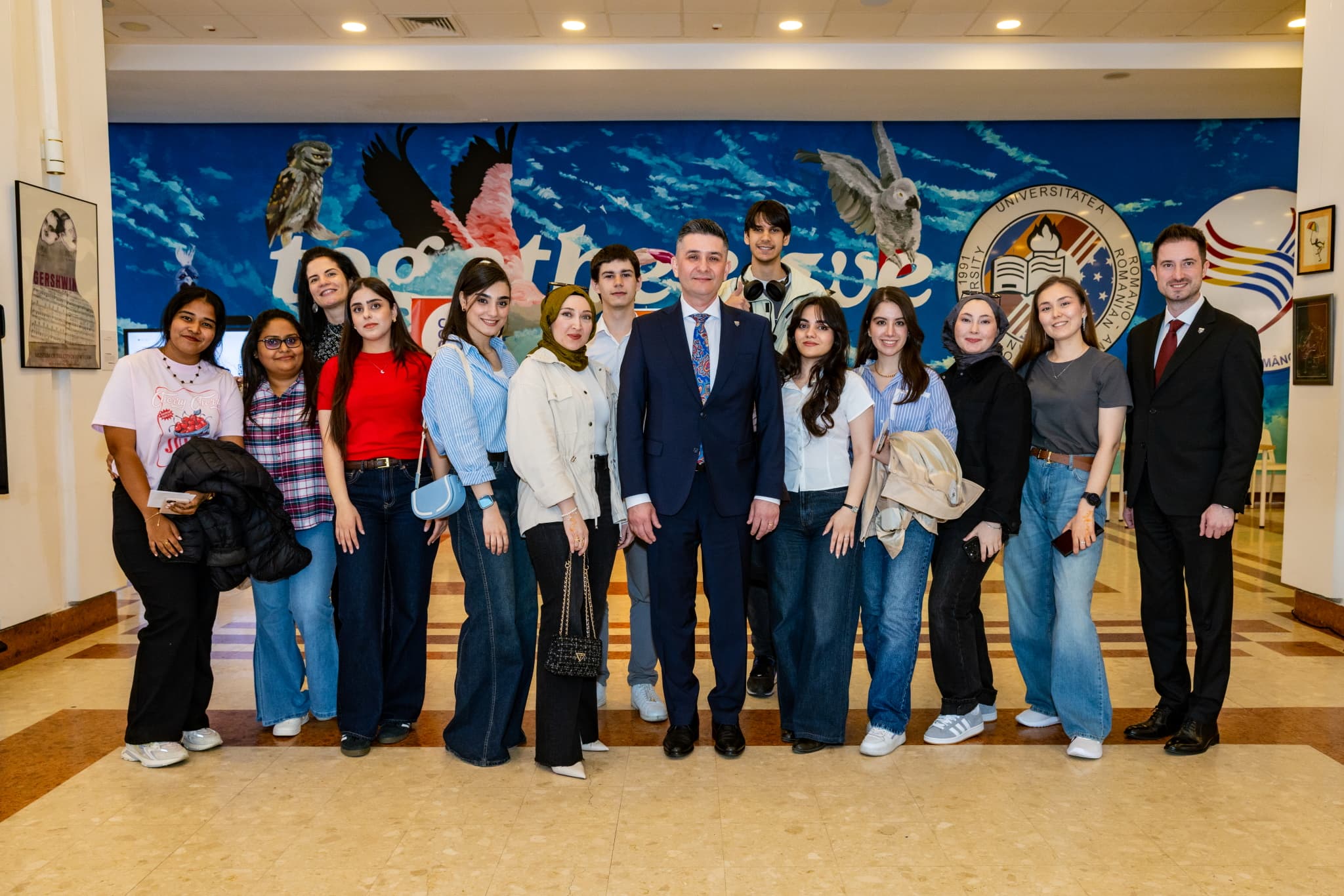
On any given day at the Romanian-American University in Bucharest, the corridors offer a snapshot of an increasingly international academic community. Students from Europe, Asia, Africa and the Middle East meet in classrooms, work together on projects and exchange ideas shaped by different cultures and educational backgrounds.
This diversity is no longer simply an additional feature of university life. It has become one of the defining elements of the institution.
Today, 24% of the students at the Romanian-American University, commonly known as RAU, are enrolled in English-taught programmes, and the wider student community includes close to 400 young people from more than 50 countries. Together, they have helped turn the Bucharest campus into a multicultural environment where international experiences are part of everyday academic life.
RAU’s global orientation is closely connected to its history. Founded in 1991, the university set out to bring elements of the American higher-education model into the Romanian academic system, while respecting local educational traditions. Internationalization was therefore embedded in the institution’s identity from the beginning, rather than added later in response to wider trends.
More than three decades on, that original vision can be seen in the university’s academic offer, international partnerships, student mobility opportunities, and growing portfolio of dual-degree programmes.
An international experience in Bucharest
RAU currently provides more than 35 study programmes, including bachelor’s and master’s degrees in areas connected to the international economy and the changing labour market. Its English-taught programmes cover fields such as international business, computer science for economics, finance, marketing, tourism and hospitality, and business-oriented technology.
For international students, studying in English makes the transition to academic life in Romania more accessible. For Romanian students, meanwhile, the English-language programmes offer the opportunity to study in a diverse environment without leaving Bucharest.
The result is a campus experience in which students are regularly exposed to different perspectives, working styles, and cultural expectations. Group projects can bring together classmates from several countries, while courses delivered by international professors and visiting lecturers introduce students to academic and professional practices from outside Romania.
This experience can be particularly valuable for those preparing to work in international companies or multicultural teams. Intercultural communication, adaptability, and the ability to collaborate across borders are increasingly important professional skills, and at RAU they are developed not only through the curriculum but also through daily interaction.
Free newsletters
Romania, in your inbox before your first coffee.
Get the Daily — the morning briefing, free, in English, unsubscribe anytime. Want business, real estate or travel digests too? Pick your newsletters →