Romania's administrative reform could create larger counties of around 1 million inhabitants
PSD, the only party currently in the minority government and a long-time opponent of any far-reaching administrative reform, unveiled in recent weeks two distinct scenarios for territorial reform.
Radu Dumitrescu · Journalist
· 2 min read
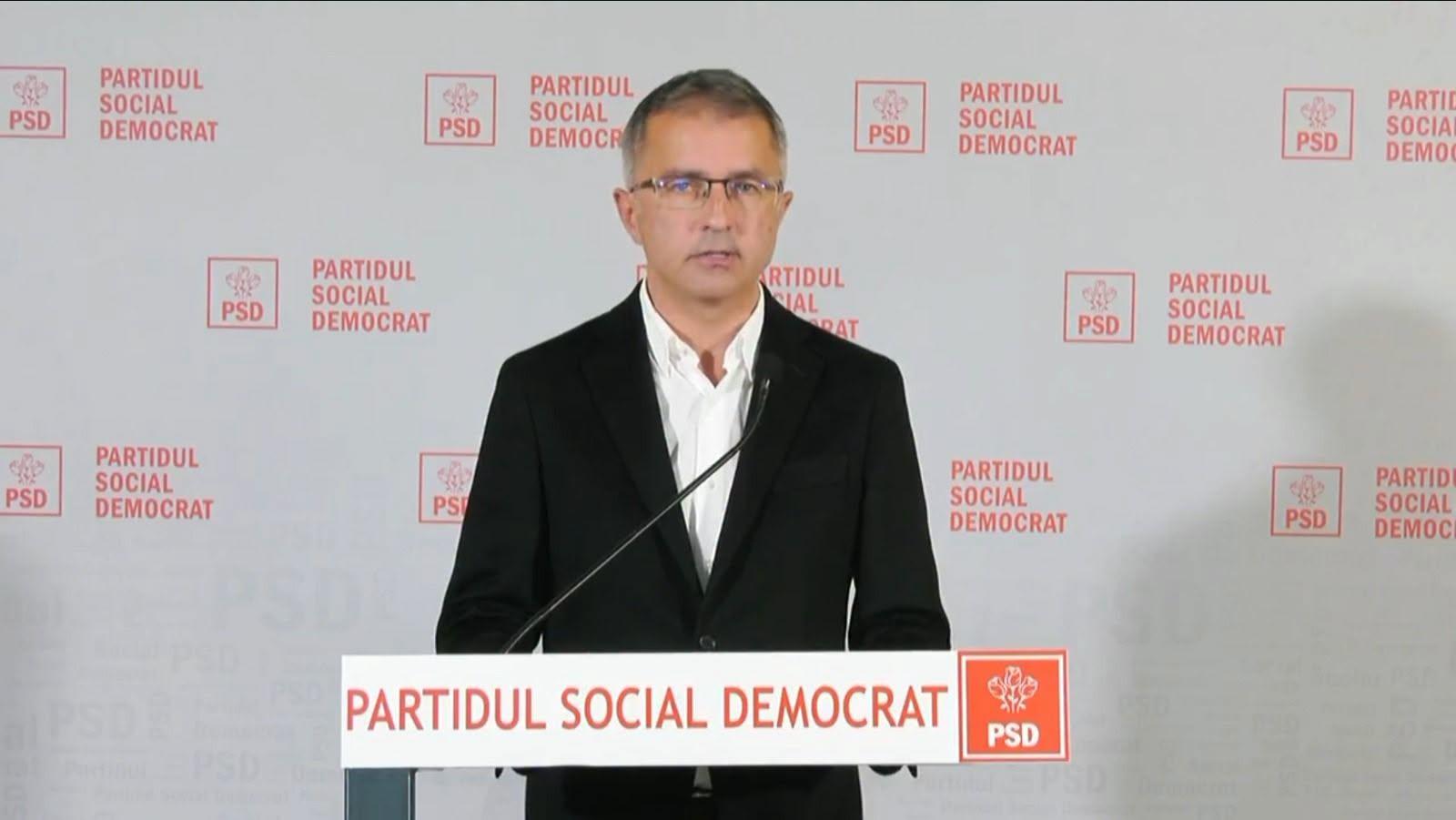
Romania should have fewer counties, each inhabited by approximately 1 million people, to access European funds with increased ease, according to the vice president of the Social Democratic Party (PSD), Dragoș Benea.
The statements came after PSD, the only party currently in the minority government and a long-time opponent of any far-reaching administrative reform, unveiled in recent weeks two distinct scenarios for territorial reform, one targeting only small villages, the other, coordinated by Benea, planning to merge counties as well.
United into larger administrative units, the latter would more easily finance and coordinate themselves, according to Benea. The changes would also help curtail public spending as Romania struggles to remain under its targeted deficit of 6.2%.
"They will be called counties, so as not to come into conflict with the Constitution. Counties date back to the time of Stephen the Great and are mentioned in historical charters. I don't see why we should import this word (region), which is currently fashionable at European Union level," Dragoș Benea, coordinator of the PSD's administrative-territorial reorganization project, said on Digi24 on Monday, November 23.
He explained that the plan would involve counties with approximately 1 million inhabitants.
"If you end up with two merged counties totalling 950,000 inhabitants, there is no point in looking for another county just to exceed one million at any cost. I studied 16 countries comparable to Romania in terms of size, area, and population,” he said.
Benea further argued that the new structures should be large because competition for cohesion funds will be fiercer than ever.
"When it comes to counties, the discussion is somewhat simpler because we have all the information we need to build strong, resilient counties capable of competing through cost-benefit analyses for cohesion funds. This is the first time that cohesion funds are no longer a priority. This is normal, given the context we are in. They have somewhat taken a back seat to investments in technology, armaments, and innovation, which we are familiar with. We must defend the prosperity we have built because, after all, the European Union is the most prosperous area on the planet," Benea said.
Benea also spoke about the principle of solidarity, whereby communities that have fallen behind should be lifted by more developed ones.
Free newsletters
Romania, in your inbox before your first coffee.
Get the Daily — the morning briefing, free, in English, unsubscribe anytime. Want business, real estate or travel digests too? Pick your newsletters →