Romania’s PM-designate Luca Niculescu unveils cabinet and governing strategy for parliamentary approval
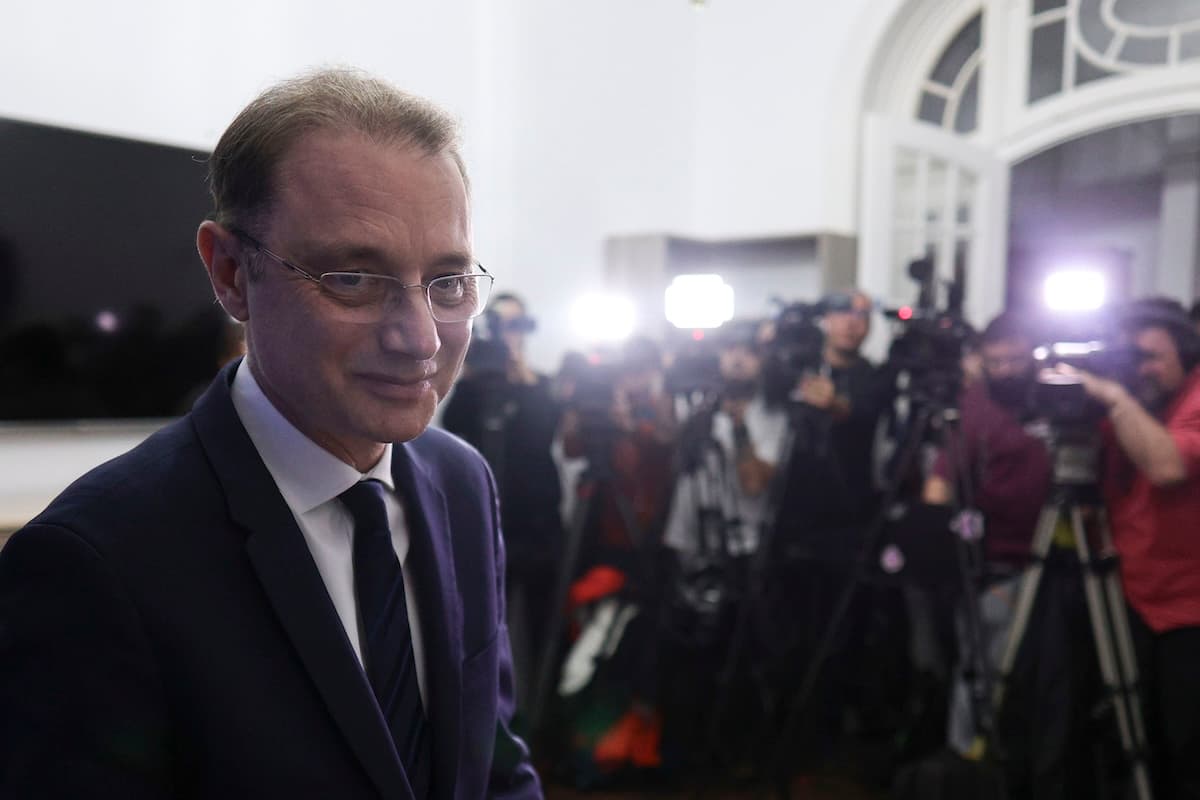
Independent prime minister-designate Luca Niculescu submitted the list of ministers and the governing strategy to Parliament on October 15 for approval in a joint session of the two chambers.
iulian ernst · Journalist
· 3 min read
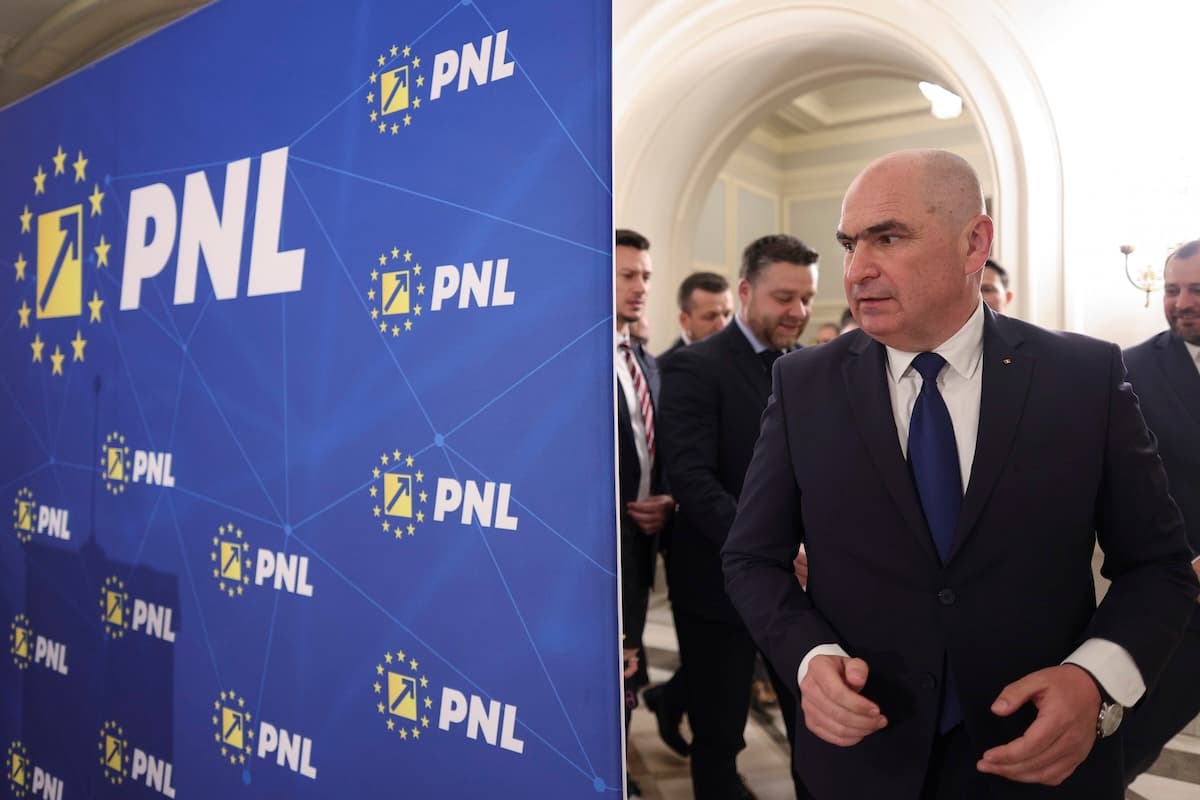
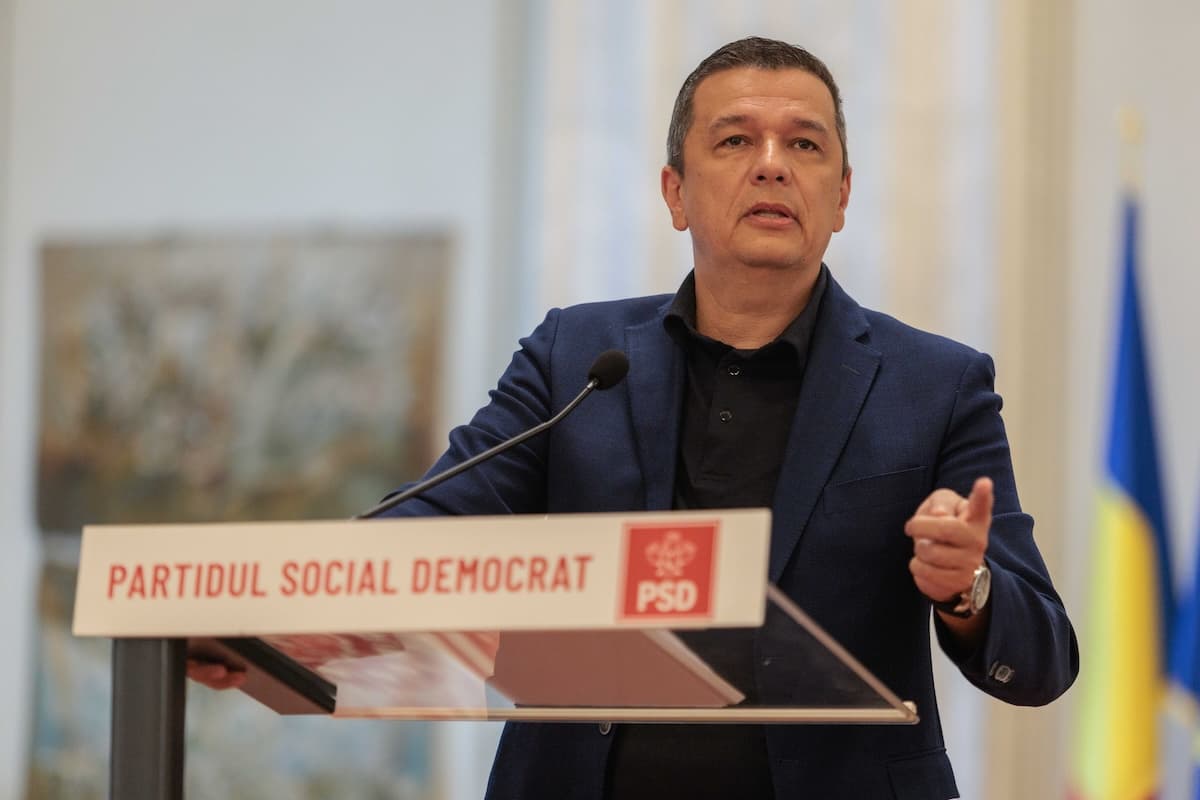
Composed predominantly of Social Democratic Party (PSD) ministers and based on the Social Democrats’ governing strategy, the government led by Luca Niculescu has secured provisional support from the Liberal Party (PNL), Hungarian party UDMR, MPs representing national minorities and several smaller parliamentary factions.
The investiture schedule includes hearings for ministerial candidates in the parliamentary committees on October 19-20, followed by a final vote in a joint session of the two chambers scheduled for 14:00 on October 20.
Subject to a final decision by the PNL expected later on October 16, the proposed government reportedly has a solid majority of 270-300 votes, compared with the 233 required.
“Most likely, Romania will have a government on Tuesday,” president Nicușor Dan said after the political parties reached an agreement in principle on approving the government.
Governing strategy aligned with fiscal consolidation and reforms in public administration and state-owned enterprises.
As outlined by PM-designate Luca Niculescu, the governing strategy appears aligned with the targets of fiscal consolidation and reforms in public administration and state-owned enterprises (SOEs).
The government pledges to adhere to the deficit trajectory, targeting a deficit of 5.2% of GDP in 2027, maintain the flat tax rate, and list minority stakes in SOEs. Its programme includes a revision of the 2026 budget within 30 days, a 2027 budget consistent with the deficit target of 5.2% of GDP, compared with an estimated 6.2% this year, and adoption of the Wage Law for the budgetary sector in 2027.
The strategy also promises restraint in social spending, with targeted support prioritised for low-income households. Wages in the budgetary sector and pensions are to be indexed in January 2027, within the limits imposed by the Excessive Deficit Procedure (EDP).
Regarding pensions, the government programme pledges to keep social assistance below the ceiling of 12.2% of GDP. Pension indexation starting in 2027, alongside targeted support measures, is intended to preserve the purchasing power of pensioners, particularly those on low pensions, and other vulnerable groups.
The measures are presented as consistent with the fiscal-budgetary strategy, with their impact to be calculated by the Ministry of Labour and checked jointly with the Ministry of Finance before the budget is drawn up. No other social rights are to be indexed above nominal GDP growth.
Personnel expenditure is to follow the multiannual fiscal consolidation trajectory, declining from 9.3% of GDP in 2024 to 7.9% in 2031. Implementation of the unitary wage law is to respect this ceiling. Available fiscal space will be used to correct structural inequities in the wage system rather than finance uniform increases that would deepen them.
Social measures, outlined both in general terms and through specific proposals – including waiving health insurance contributions for mothers on maternity leave and war veterans – have been included to balance what otherwise resembles the governing strategy of the dismissed Ilie Bolojan cabinet. Even so, these measures are conditional on identifying sufficient fiscal space to implement them without increasing the budget deficit.
“The government proposes eliminating the social health insurance contribution for mothers with children under two years old, the measure being conditioned on the identification of sources of financing or compensatory savings,” the strategy states.
The government team largely comprises former Social Democrat ministers.
The team proposed by PM-designate Niculescu includes several former Social Democrat ministers whose past records have attracted criticism, including Marian Neacșu, who received a suspended sentence of 10.5 years for conflict of interest in 2016, and justice minister Radu Marinescu, who has been accused of plagiarism in his PhD thesis.
Other appointments have raised questions about ministerial competence, including those of agriculture minister Florin Barbu and environment minister Natalia Intotero. Economy minister Daniel-Cătălin Zamfir has stood out for his rhetoric and for drafting legislation targeting banks, private companies and foreign investors.
Finance minister Alexandru Nazare is keeping his post, which is likely to reassure sovereign investors about the country’s fiscal strategy, while former energy minister Bogdan Ivan is being replaced.
Free newsletters
Romania, in your inbox before your first coffee.
Get the Daily — the morning briefing, free, in English, unsubscribe anytime. Want business, real estate or travel digests too? Pick your newsletters →